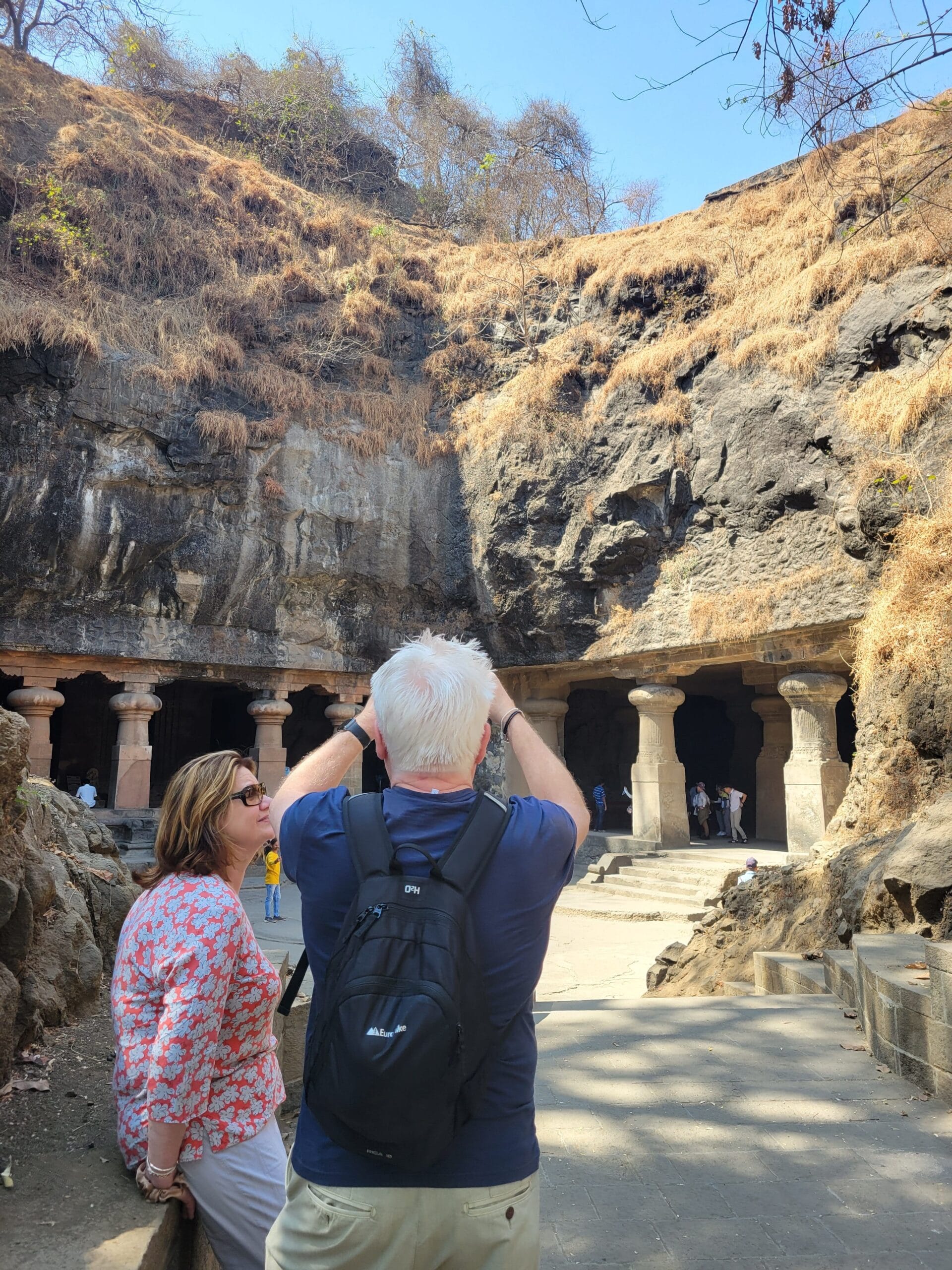
Category: Elephanta Caves

  • 10 Things You’ll Only Discover Inside Elephanta Caves

    10 Things You’ll Only Discover Inside Elephanta Caves

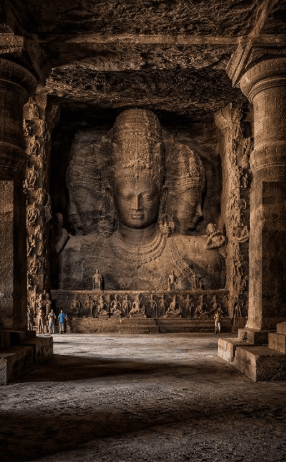
    The Elephanta Caves Mumbai visitors have been crossing the harbour to see for centuries hold something that no photograph has ever fully captured. About four minutes into Cave 1, the light catches the central face of the Trimurti and something happens not because a guidebook told you it would, but because the carving is twenty feet high, fourteen hundred years old, and it has the unsettling quality of something that is still, quietly, thinking.

    Most visitors photograph that and leave. They have not seen Elephanta. Not even close. There are seven caves on this island, a UNESCO World Heritage Site since 1987, and the majority of tourists enter one. There are panels that took master sculptors years to complete, a hilltop view of Mumbai Harbour that almost nobody climbs to, and a silence inside Cave 3 in the late afternoon that you will remember for a long time. This is the guide for visitors who came to actually see it.


    01 of 10

    The Trimurti – Not the Way You Think You Know It

    Every visitor sees the Trimurti. Almost none understand it. The three faces are not three gods standing together. They are three aspects of one divine reality the eternal, the creator, the destroyer encoded in a single sculpture. The artists who carved this understood something it took Western philosophy centuries to reach: creation and destruction are the same process, seen from different points in time. Stand there long enough to feel that, and the carving changes entirely.

    Quick FactThe Trimurti stands approximately 6 metres tall and is considered one of the finest examples of Indian rock-cut sculpture in existence. It is the focal masterpiece of Cave 1, also known as the Great Cave or Shiva Cave.

    02 of 10

    Five Other Caves That Are Almost Always Empty

    The Elephanta Caves Mumbai complex has seven caves in total. Cave 1 takes all the foot traffic. Caves 3, 4, and 5 are smaller Hindu shrines more intimate, less damaged, and on a quiet afternoon, entirely yours. Caves 6 and 7 on the eastern hill are Buddhist in origin, predating the famous Hindu caves by several centuries, dating to around the 2nd century BC. Walk past Cave 1 and keep going. The crowds thin immediately.

    “The sculptors were not decorating a temple. They were building a library and most visitors only read the cover.”

    03 of 10

    Ardhanarishvara – The God Who Is Half Woman

    On the south wall of Cave 1 is a panel that stops serious scholars cold. Ardhanarishvara — the Lord Who Is Half Woman — shows Shiva fused with Parvati, the right half male, the left half female, in a single body. The ornaments differ on each side. The hair differs. The posture of each half is distinct. This is not mythology for mythology’s sake. It is a precise theological argument about the inseparability of masculine and feminine energy in the universe, rendered in basalt with absolute command.

    Quick Quiz

    The Ardhanarishvara panel depicts which two divine figures fused into one form?Brahma and SaraswatiShiva and ParvatiVishnu and Lakshmi

    04 of 10

    Kalyanasundara – The Divine Wedding Nobody Attends

    On the northern wall, away from the Trimurti and often underlit, is the wedding of Shiva and Parvati. Brahma officiates. Vishnu stands as a witness. What makes the panel remarkable is not its iconography – it is Parvati’s posture. The sculptor gave her a specific turn of the head, a slight inclination of the body, that has no theological function. It exists purely to show feeling. Someone, fourteen centuries ago, chose to carve not just the ceremony but the emotion inside it. That is the work of an artist, not merely a craftsman.

    05 of 10

    How the Light Rewrites the Caves Entirely

    The architects of Cave 1 were also lighting designers. The entrance orientation, column spacing, and depth of the inner sanctum were all calculated against the movement of sunlight. The Trimurti sits in shadow at 10 AM. By midday the central hall floods with light. At 4 PM, light falls at a low angle across the panels, deepening the relief, creating shadows that did not exist at noon. Visit Elephanta in the morning and you see one cave. Return in the late afternoon and you are in a different place entirely.

    06 of 10

    The Gangadhara Panel – A River Caught in His Hair

    The east wall of Cave 1 carries one of the most narratively ambitious sculptures on the island. In the myth, King Bhagiratha performed extreme penance to bring the Ganges from heaven to earth. But the force of a celestial river would have destroyed the world. Shiva intervened — catching the river in his matted hair and releasing it gently in streams. The sculptor captured not just the myth but the physics of it: Shiva towering, the goddess Ganga visible in his locks, celestial figures watching from above, earthly figures looking upward at a river descending from the top of the frame. It is as close to cinematic storytelling as stone can get.

    Historical NoteElephanta Island was known in ancient times as Gharapuri – “city of caves.” The Portuguese renamed it “Elephanta” in the 16th century, after a stone elephant they found near the landing point. That elephant now stands at the Jijamata Udyan in Mumbai, moved there for preservation in the 19th century.

    07 of 10

    The Buddhist Ruins – A World That Came Before

    The Hindu caves are spectacular, but they were not the island’s first act. UNESCO documentation and archaeological evidence both point to Buddhist occupation as early as the 2nd century BC – nearly a thousand years before the major Shaiva shrines were carved. Elephanta Island was considered sacred across two great religious traditions, across more than a millennium. The island was not chosen for its caves. The caves were made because something about this place already felt significant. That continuity of reverence is part of what you walk into when you arrive.

    08 of 10

    The Hilltop Cannon and the View Nobody Climbs To

    There is a path from the main cave area that climbs to the top of the island. Most visitors do not take it. At the top: a Portuguese-era cannon from the 16th century, and one of the finest views of Mumbai Harbour available from outside the city – the entire sweep of the water, South Mumbai’s skyline, the distant horizon of the Arabian Sea. The air is cooler, the crowd is gone, and a rusted cannon points at a skyline that did not exist when it was placed there. The juxtaposition alone is worth the walk.

    09 of 10

    Ancient Water Cisterns – Engineering Nobody Photographs

    Carved into the bedrock away from the main caves are large water tanks, cut directly into the rock, that once served the community living and working on the island. They are easy to miss and unmarked on most visitor maps. But they are among the most human things here – proof that behind the theological ambition of the sculptures, there were ordinary people with ordinary needs. The same culture that produced the Trimurti also needed to manage its water supply. That detail makes the whole island feel different.

    10 of 10

    The Sound – What the Elephanta Caves Mumbai Were Built to Do

    The final discovery cannot be photographed. When the crowds thin and the afternoon light is low, Cave 1 produces a resonance – the columns, the chamber depth, the stone – that you feel in your chest more than you hear with your ears. The same phenomenon exists in medieval cathedrals. The dimensions of this cave were not accidental. The height, the column spacing, the depth of the inner sanctum – they create an acoustic specific to this place and no other. It is the oldest thing on the island and the hardest to explain. Stand still long enough and it finds you.


    Everything above is available to any visitor who arrives with curiosity and enough time. That last part – time – is the one thing most people underestimate.

    The public ferry from the Gateway of India takes 90 minutes each way. By the time most visitors arrive at the caves, a significant portion of the morning is already gone. If you are visiting Mumbai on a cruise stopover – where shore time is finite and fixed – that equation becomes even more unforgiving.

    Explore our Elephanta experiences:
    https://shoreexcursiontoursindia.com/
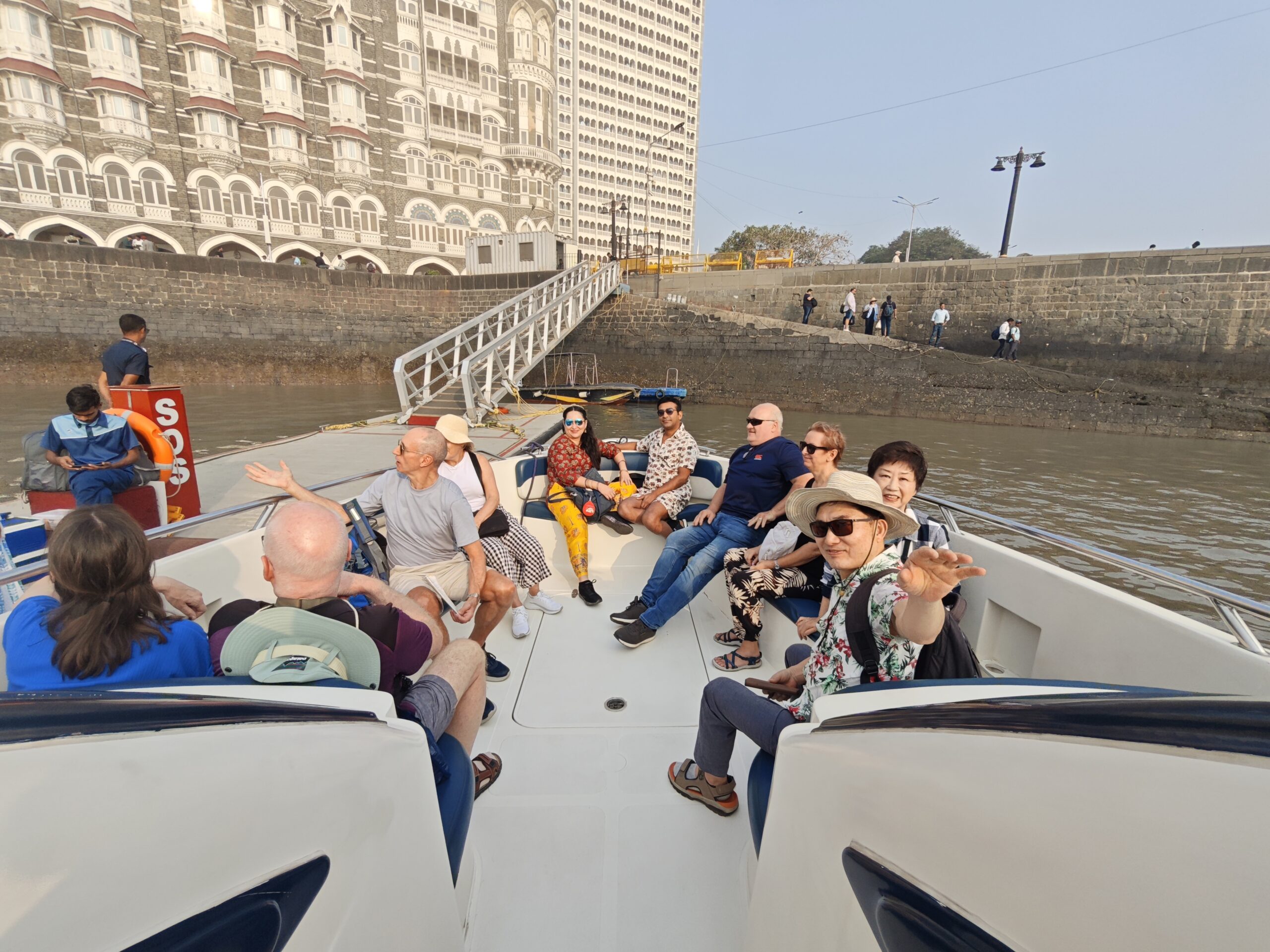
  • Speedboat to Elephanta Caves Mumbai – A Smarter Way to Explore|2026 Guide

    Speedboat to Elephanta Caves Mumbai – A Smarter Way to Explore|2026 Guide

    Taking a speedboat to Elephanta Caves Mumbai is one of the easiest ways to turn a regular visit into a smooth and enjoyable experience. Most travelers don’t realize this at first – until they find themselves waiting in long ferry lines.

    The truth is simple.
    How you reach Elephanta matters just as much as the caves themselves.


    Why the Journey to Elephanta Caves Matters

    At first glance, Elephanta Island feels close to Mumbai. However, the experience of getting there can feel very different depending on your choice of transport.

    Traditionally, ferries have been the default option. Although they work well, they often involve waiting time, fixed schedules, and large crowds.

    On the other hand, a speedboat offers a completely different start. You arrive, board quickly, and begin your journey almost immediately. As a result, the entire process feels far more efficient.

    Because of this, many travelers now prefer taking a speedboat to Elephanta Caves Mumbai.


    Ferry vs Speedboat: The Real Difference

    Most visitors naturally choose ferries because they seem familiar. However, once you experience both options, the difference becomes clear.

    For example, ferry rides usually take between 60 to 90 minutes one way. In addition, boarding queues can take up a significant amount of time. As a result, your return journey may feel rushed.

    In contrast, a speedboat reduces travel time to around 20 minutes. More importantly, boarding is quicker and far more organized. This means you spend less time waiting and more time exploring.


    Speedboat to Elephanta Caves Mumbai: Is It Worth It?

    If comfort and time matter to you, then the answer is quite straightforward.

    By choosing a speedboat to Elephanta Caves Mumbai, you gain more flexibility throughout your visit. Not only do you avoid delays, but you also get more time to explore the island at your own pace.

    For travelers on a tight schedule, this difference becomes especially valuable.


    What the Journey Feels Like

    Once the boat moves away from the Gateway of India, the atmosphere begins to change.

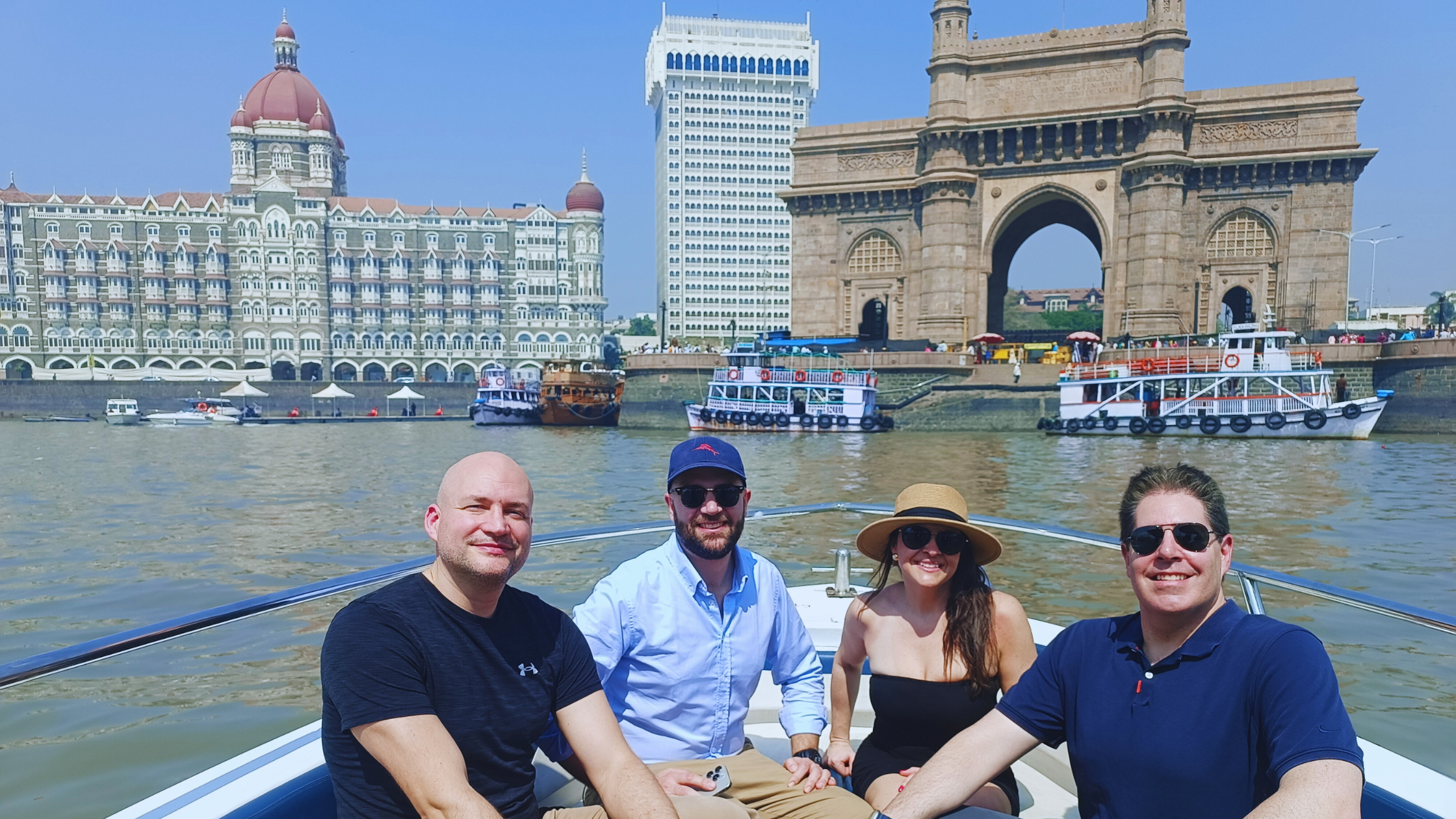
    Gradually, the city fades into the background. The Taj Mahal Palace becomes smaller, while the open sea stretches ahead.

    At that moment, the journey stops feeling like transportation. Instead, it becomes part of the experience itself.


    What You’ll Experience on Elephanta Island

    As you arrive on the island, the pace shifts once again.

    Initially, there’s a lively walkway filled with small stalls and local vendors. Soon after, a gradual climb leads you toward the caves.

    Then comes the contrast.

    Inside, everything slows down. The temperature drops, the light softens, and the surroundings feel still. Massive stone pillars and detailed carvings surround you, creating a completely different atmosphere.

    At the center stands the Trimurti – a remarkable three-faced sculpture carved from a single rock.


    Quick Fact

    The Elephanta Caves date back to between the 5th and 8th centuries and are recognized globally as a heritage site.


    How to Plan Your Visit the Right Way

    Planning makes a big difference.

    A good experience usually includes:

    • Early start to avoid crowds
    • Pre-arranged transport
    • Enough time inside the caves
    • A comfortable return journey

    For travelers looking for organized options, you can explore curated experiences here:
    https://shoreexcursiontoursindia.com/mumbai-shore-excursions/


    Common Mistakes Travelers Make

    Many visitors underestimate timing.

    They assume boats leave immediately.
    They don’t account for waiting time.
    They start late.

    As a result, the trip feels rushed.

    Choosing a speedboat to Elephanta Caves Mumbai helps avoid most of these issues and keeps the experience smooth.


    Simple Tips for First-Time Visitors

    • Wear comfortable shoes
    • Carry water
    • Start early
    • Take your time inside the caves

    These small things make a big difference.


    Final Thoughts

    Elephanta Caves are not just about history. They are about experience.

    And that experience begins the moment you choose how to get there.

    For many travelers today, a speedboat to Elephanta Caves Mumbai is not just a faster option – it is the better one.

    Because in a city like Mumbai, saving time means gaining experience.

    Ready to experience Elephanta the right way?
    Explore a carefully planned speedboat to Elephanta Caves Mumbai that keeps your journey smooth, timely, and truly enjoyable.

    👉 https://shoreexcursiontoursindia.com/elephanta-caves-by-speedboat/

  • Elephanta Caves for Families: Everything Parents Need to Know Before Booking

    Elephanta Caves for Families: Everything Parents Need to Know Before Booking

    By Shore Excursion India | Updated April 2026

    My favourite kind of travel story is the one where everything almost went wrong and didn’t.

    A mother told me this one last November. She had come to Mumbai with her husband, her ten-year-old daughter, and her seven-year-old son. They had two days in the city before their cruise departed. She had booked the Elephanta Caves speedboat tour on a recommendation from someone in a travel forum, slightly nervously, because her son had a habit of deciding he was tired approximately forty minutes into any excursion that had seemed like a great idea the night before.

    They boarded the speedboat at 9:00 AM. Her son stood at the front of the boat for the entire twenty-minute crossing, face into the sea breeze, arms out, making aeroplane sounds. By the time they reached the island he had already declared it the best day of his life. They spent three and a half hours exploring. He asked the guide questions about Lord Shiva for so long that the guide later told her he was one of the most genuinely curious children he had guided in years.

    She messaged us afterwards. “I was so worried it would be too much for them,” she wrote. “It turned out to be exactly enough.”

    That story is essentially this blog post. But let me give you the practical version too, because loving the idea of taking your children to a 1,500-year-old UNESCO World Heritage Site and actually knowing how to prepare for it are two different things.


    Is Elephanta Caves Suitable for Children?

    The honest answer: yes, genuinely, with a little preparation.

    The Elephanta Caves are not a museum. They are not a quiet gallery with roped-off exhibits and hushed voices. They are a living, breathing archaeological site carved into a hillside on an island in Mumbai Harbour dramatic, tactile, open to the sky, and full of stories that even young children respond to instinctively when they are told properly.

    The Trimurti the iconic 6-metre-high three-faced sculpture of Lord Shiva at the heart of the main cave has a way of silencing children who moments before were asking when lunch was. The scale of it does something to people, regardless of age. The caves are cool and dim, the sculptures are enormous, and the whole place has the particular atmosphere of somewhere that has been important for a very long time. Children feel that, even when they cannot articulate it.

    That said, the island is not a theme park. The terrain involves a walk and a climb. The heat outside the caves can be significant between March and May. There is no air-conditioning anywhere on the island. If you have a toddler who needs a stroller, the island’s pathways are not stroller-friendly.

    The sweet spot for family visits is roughly ages 4 and up, children who can walk the stairs with some assistance, engage with a guide, and remember the experience afterwards. For children under 4, the speedboat ride and the island itself are exciting, but the caves may be more of a background experience than a meaningful one.


    The Steps: What Parents Actually Need to Know

    This comes up in almost every family enquiry, so let’s deal with it directly.

    From the island jetty to the cave entrance, there are approximately 100 to 120 steps. They are carved from basalt the same volcanic rock as the caves which means they are wide, ancient, and somewhat uneven. The climb is gradual rather than steep and takes most families between 15 and 20 minutes at an easy pace.

    For most children over the age of four, this is not a problem. It is, in fact, one of the more enjoyable parts of the day the path is lined with souvenir stalls, fruit vendors, and the occasional monkey (the monkeys are famous on Elephanta Island and are a source of significant excitement for most children and mild anxiety for most parents more on this shortly).

    If the steps are a concern – for young children, grandparents joining the trip, or anyone with mobility considerations – there is an alternative. A narrow-gauge toy train runs along the jetty to the base of the staircase, and a palanquin carriage service is available for the climb itself. Both are paid separately on the island in cash, and both are worth knowing about before you arrive. The toy train in particular is enormously popular with children – many families report that their children talk about the toy train as much as the caves themselves.

    Important: The toy train does not always operate and can fill up quickly on busy days. Do not rely on it as your only plan. Confirm with your guide on arrival whether it is running, and head to it early if it is.


    A Family Day Timeline: How the Day Actually Flows

    One of the most useful things a parent can have before a day like this is a rough sense of the shape of it. Here is what a well-paced family visit looks like when you book through Shore Excursion India:

    8:45 AM: Meet your guide at the VIP jetty near Gateway of India. Your guide handles the boarding process – no queuing, no confusion. This is the moment where the day begins to feel properly handled, and for parents managing children in a new city, that feeling is worth something.

    9:00 AM: Depart by speedboat. Twenty minutes across Mumbai Harbour. The city skyline behind you, the open sea ahead, and your children almost certainly standing up to look at things they have been asked to sit down for. This is fine. The crew knows how to manage small adventurers safely.

    9:20 AM: Arrive at Elephanta Island jetty. Collect entry tickets (₹40 for Indian nationals, ₹600 for foreign nationals, children under 15 are free). Board the toy train if it is running. Begin the walk up.

    9:40 AM: Enter the main cave complex. Your licensed guide begins the exploration. The Trimurti is the centrepiece, but a good guide will bring the mythology alive in ways that hold children’s attention stories of Shiva and Parvati, of Ravana attempting to lift Mount Kailash, of the Nataraja dancing the world into existence. These are not dry history lessons. They are extraordinary stories told in stone.

    10:30–11:30 AM: Free exploration time. Browse the outer caves, explore the plateau, buy a small souvenir from the stalls, find a shaded spot and have the snacks you have wisely brought.

    11:45 AM: Begin descent and return to jetty.

    12:10 PM: Board speedboat for return to Gateway of India. Most children sleep on this crossing.

    12:30 PM: Back at Gateway of India, with a full morning behind you and most of the afternoon still ahead.

    Total time: approximately 3.5 hours. Manageable for most families, unhurried, and complete.


    The Monkeys: A Dedicated Section, Because They Require One

    Elephanta Island has a resident population of macaque monkeys, and they are bold.

    They are not dangerous in any serious sense, but they are opportunistic, and they have learned over many years that tourists carry food and bags that sometimes contain food. There are a few things worth telling your children before you arrive:

    Do not feed them. It seems kind; it creates problems. A fed monkey becomes a following monkey, and a following monkey becomes a grabbing monkey.

    Do not hold food openly. Eat anything you have brought before you leave the boat, or keep it sealed in your bag.

    Do not make sudden movements near them or try to touch them. They are wild animals. They are also, objectively, fascinating to watch from a slight distance, and children who know this in advance tend to enjoy the encounter rather than be frightened by it.

    Your guide will manage the monkey situation with the ease of someone who has done it several hundred times. Follow their lead and let your children enjoy the spectacle from a sensible distance.


    What to Bring for a Family Visit

    The standard packing list applies, but with a few family-specific additions:

    Cash is critical. There is no ATM on the island. Beyond entry tickets, you will want cash for the toy train (approximately ₹20–₹30 per person), carriage rides if needed, water and snacks from island vendors, and any souvenirs your children decide they cannot live without. Bring at least ₹2,000 in a mix of small denomination notes for a family of four.

    Sun protection for children. The walk up and the time around the cave entrances involve real sun exposure. Hats, sunscreen applied before boarding the boat, and UV-protective clothing make a significant difference particularly for fair-skinned children or visits between March and September.

    Snacks from home. The island has food vendors, but the selection is limited and quality variable. A few familiar snacks in your bag prevent the specific kind of mid-excursion crisis that parents of young children will recognise immediately.

    Closed-toe shoes for everyone. The basalt steps are uneven. Sandals and flip-flops are manageable but not ideal. For children especially, a shoe with grip and ankle support makes the climb easier and more confident.

    A small backpack for the guide or an older child to carry. Hands-free makes the climb easier for everyone.


    Why the Speedboat Makes This a Family Trip Rather Than an Ordeal

    This deserves saying plainly, because the alternative the public ferry changes the family experience significantly.

    The public ferry takes between 60 and 90 minutes each way. It runs on fixed schedules, carries large crowds, and offers basic seating. For adults travelling independently, this is manageable. For a family with young children, an hour and a half on a crowded boat before you have even arrived followed by another hour and a half on the return consumes energy and patience that you need for the actual experience.

    The speedboat takes 20 minutes. It is an event in itself rather than something to endure. Children love it. Parents arrive at the island with energy intact. And the flexible timing means that if your children hit their limit a little earlier than planned, you are never locked into a fixed ferry schedule for the return.

    For families visiting Mumbai as part of a cruise itinerary, this is even more significant. A cruise port day typically offers 6 to 8 hours ashore. A 3-hour round-trip on the ferry leaves you very little time for the caves themselves. The speedboat reclaims those hours and gives them back to you.


    Booking Tips for Families

    Book in advance, especially during school holidays. Indian school holidays (particularly October–November and the Christmas–New Year window) see significant increases in island visitor numbers. Speedboat group departures have limited seats, and private boats for families offer the most flexibility on timing and pace.

    Consider a private tour if your children are very young or your group has specific needs. A private speedboat means your departure time is set around your schedule, your guide’s pace matches your children’s attention span, and there is no pressure to keep up with a group. It is the more comfortable option for families with children under 6 or for multi-generational groups.

    Mention your children’s ages when booking. Your guide will adjust the storytelling approach accordingly. A guide who knows they have a seven-year-old in the group will frame the mythology differently than they would for a group of adults and a good guide does this instinctively.


    The Part That Actually Matters

    I have said most of what needs to be said. But I want to end with the thing that does not fit neatly into a checklist.

    The Elephanta Caves are one of those places that children carry with them. Not always consciously, and not always immediately. But the scale of the Trimurti, the weight of 1,500 years inside those cool stone chambers, the particular quality of light that falls through the cave openings in the morning, these things settle into a child’s memory in ways that a hotel pool or a shopping mall never does.

    The family from November, the one at the beginning of this post, sent a photograph three months later. The seven-year-old, now back in his regular life, had done a school project on ancient Indian sculpture. He had drawn the Trimurti from memory. It was recognisable.

    That is what this trip is for.

    Book your family Elephanta Caves speedboat tour with Shore Excursion India →

    Private and group options available. Licensed guides. The fastest route across the harbour. And a crossing that your children will talk about long after the day is over.

  • Elephanta Caves, Done Right: Timings, Entry Fees & The Smart Way to Visit

    Elephanta Caves, Done Right: Timings, Entry Fees & The Smart Way to Visit

    By Shore Excursion India | Updated April 2026

    It was a Tuesday morning when I watched a family of four – two exhausted parents, two antsy children, luggage tags from a Celebrity cruise still dangling from their daypacks stand at the Gateway of India and stare at the water with that particular expression that says: we planned this, and something has gone wrong.

    They had come to visit the Elephanta Caves. They had researched. They had even downloaded a map.

    What nobody had told them? The caves close every Monday. And that was the day they’d arrived.

    It happens more than you’d think. The Elephanta Caves are one of Mumbai’s most remarkable treasures, a UNESCO World Heritage Site carved into basalt rock over 1,500 years ago, and yet the trip still catches people off guard, not because the experience disappoints, but because the logistics have a way of humbling even the most well-prepared traveler. So before you set foot near a jetty, before you book a single thing, read this. Consider it the briefing that should have existed a long time ago.


    What Are the Elephanta Caves, and Why Do They Deserve a Whole Day?

    Let’s start here, because the Elephanta Caves are frequently undersold.

    Nestled on Elephanta Island- called Gharapuri by locals, meaning “the city of caves” this collection of rock-cut temples sits approximately 11 kilometres northeast of the Gateway of India, right in the heart of Mumbai Harbour. The main cave complex is dedicated primarily to Lord Shiva and houses some of the most extraordinary stone sculptures you will find anywhere in the world. The centrepiece, a 6-metre-tall Trimurti depicting Shiva’s three cosmic roles as Creator, Preserver and Destroyer, has the rare quality of stopping people mid-sentence.

    These caves were not built. They were carved out of solid basalt, panel by panel, somewhere between the 5th and 8th centuries. Nobody knows with absolute certainty who commissioned them. That mystery is part of what makes standing inside them feel so strange and so profound.

    When UNESCO designated the Elephanta Caves a World Heritage Site in 1987, they joined a list that includes the Taj Mahal, Machu Picchu and the Acropolis. That context matters, because it reframes what can otherwise feel like just another tourist boat trip.

    This is not a boat trip. It is a pilgrimage to one of human civilization’s quietly astonishing achievements.


    Elephanta Caves Timings: The Facts, Precisely

    The caves are open from 9:00 AM to 5:30 PM, Tuesday through Sunday.

    The caves are closed every Monday. No exceptions. If you arrive on a Monday expecting to visit, you will be turning around.

    This closure applies to the main archaeological site managed by the Archaeological Survey of India. The island itself remains accessible, but the primary cave complex – the reason anyone makes this journey – is off-limits.

    Additional closures to be aware of:

    Major national public holidays such as Republic Day, Independence Day, and certain festival dates may result in adjusted hours or full closure.

    The island’s last boat back to the mainland typically departs by around 5:00–5:30 PM, which means you want to arrive early enough to give yourself proper time inside without rushing the return.

    The practical implication of the 9:00 AM opening is significant. If you board a speedboat at 9:00 AM from Gateway of India, you arrive at the island in approximately 20 minutes, placing you at the entrance just as the gates open. The difference between visiting at 9:20 AM and visiting at 11:30 AM is the difference between a calm, immersive experience and navigating through crowds.


    Elephanta Caves Entry Fee in 2026

    For Indian nationals: ₹40 per person
    For foreign nationals: ₹600 per person
    Children under 15: Free

    These fees are collected at the site entrance on Elephanta Island and are separate from any boat or tour costs. The Archaeological Survey of India manages the ticketing, which means you pay at the gate rather than online in advance.

    The entry fee covers access to the main cave complex, including the Great Cave (Cave 1), the Trimurti, and all associated sculptures and panels. The Buddhist caves on the eastern hill are accessible separately and are often overlooked.

    The fee does not cover the toy train or carriage ride from the jetty, food or drinks, or guide services.


    What Nobody Tells You: 5 Things That Catch Visitors Off Guard

    1. The Steps Are Not Optional

    From the jetty to the cave entrance, there are around 100–120 steps. For most visitors, it’s a pleasant 15-minute walk. For senior travelers or those with mobility concerns, the toy train from the jetty to the base of the steps can be helpful, though it is not always available and must be paid for separately.

    1. There Is No ATM on the Island

    The island operates almost entirely on cash. You will need money for entry tickets, the toy train, water, snacks, and small purchases. Carry small denominations.

    1. Monsoon Changes Everything

    From June to August, the Arabian Sea can get rough. Ferry services are often affected, and even speedboats operate subject to weather conditions. Always confirm your departure if you are traveling during the monsoon season.

    1. The Buddhist Caves Are Almost Always Empty

    Most visitors only explore the main Hindu cave complex. However, the eastern hill contains quieter Buddhist caves and ancient stupa remains that are often missed. These are worth exploring if you have time.

    1. Monday Is a Hard No – But Weekends Are Crowded

    While the caves are closed on Mondays, Saturdays and Sundays tend to be extremely crowded. If possible, plan your visit on a weekday morning for a far better experience.


    How You Get There Shapes the Entire Day

    The public ferry from Gateway of India takes between 60 and 90 minutes each way. It is crowded, runs on fixed schedules, and often involves waiting time.

    A speedboat takes just 20 minutes. It departs from a VIP jetty, avoids ferry queues, and allows you to reach early before crowds build up.

    For cruise passengers or travelers with limited time, this difference is crucial. It can turn a rushed trip into a relaxed and meaningful experience.

    Shore Excursion India operates licensed speedboats with trained crew, professional English-speaking guides, and flexible timings tailored to your schedule.


    Before You Go: A Quick Checklist

    Check the day – do not plan for Monday
    Carry at least ₹1000 per person in cash
    Start early – ideally around 9:00 AM
    Wear comfortable closed-toe shoes
    Plan to spend at least 2.5 to 3 hours on the island


    Ready to Book?

    The Elephanta Caves have stood for over 1,500 years. They are not going anywhere. But your time in Mumbai is limited.

    Book your Elephanta Caves speedboat tour with Shore Excursion India:
    https://www.shoreexcursiontoursindia.com/elephanta-caves-by-speedboat/

    Small groups. Licensed guides. The fastest route across the harbour. And none of the Monday surprises.

  • What to Wear and Pack for the Elephanta Caves Speedboat Tour – A Practical Guide

    What to Wear and Pack for the Elephanta Caves Speedboat Tour – A Practical Guide

    It usually starts with excitement.

    You’ve booked your Elephanta Caves speedboat tour from Gateway of India. You’ve read about the sculptures, the history, and the stunning views across Mumbai Harbour. Everything is planned.

    Then comes a simple question that most travelers overlook:

    What should I actually wear and carry for this trip?

    It sounds basic. However, the difference between a comfortable, smooth experience and an exhausting one often comes down to what you bring with you.

    The Elephanta journey is not just a boat ride. It involves sea travel, walking, climbing steps, and exploring ancient caves in a tropical climate.

    So instead of guessing, here is a complete Elephanta Caves speedboat packing guide designed to help you get it right the first time.


    Why Packing Right Matters More Than You Think

    The Elephanta experience combines multiple environments in just a few hours.

    You start at the busy waterfront near the Gateway of India. Then you move into the open sea on a speedboat. After that, you arrive on an island where you walk uphill, explore cave complexes, and spend time outdoors.

    Each stage is different.

    That is exactly why knowing what to wear for Elephanta Caves tour Mumbai becomes important.

    Comfort, weather, and mobility all play a role.


    What to Wear for the Elephanta Caves Speedboat Tour

    Let’s keep this simple and practical.

    The goal is to stay comfortable, cool, and ready for walking.

    1. Lightweight and Breathable Clothing

    Mumbai’s climate can be warm and humid, especially during most months of the year.

    Choose:

    • cotton shirts or t-shirts
    • breathable dresses or tops
    • light trousers or comfortable shorts

    Avoid:

    • heavy fabrics
    • tight clothing
    • anything that traps heat

    This is especially important when you are walking through the caves or climbing steps.


    2. Comfortable Walking Footwear

    This is not optional.

    Once you reach Elephanta Island, you will walk through pathways and climb steps to reach the cave complex.

    Wear:

    • comfortable sneakers
    • walking shoes
    • sandals with good grip

    Avoid:

    • heels
    • slippery footwear
    • brand-new shoes that might cause discomfort

    3. Sun Protection Essentials

    The sunlight near the coast can feel stronger than expected.

    Carry or wear:

    • sunglasses
    • a cap or hat
    • light scarf (optional but useful)

    This makes a big difference during both the boat ride and your time on the island.


    4. Light Layer for the Boat Ride

    Speedboats move fast.

    That means wind.

    Even on warm days, the sea breeze can feel cooler during the ride.

    A light jacket or shirt layer can help you stay comfortable without overheating later.


    What to Pack for the Elephanta Caves Speedboat Tour

    Now let’s move to what goes inside your bag.

    You do not need to carry too much. In fact, traveling light is better.

    However, a few essentials can significantly improve your experience.


    1. Water Bottle

    Staying hydrated is key.

    Although water is available on the island, carrying your own bottle is always more convenient.


    2. Sunscreen

    This is one of the most important items.

    Apply before departure and reapply if needed.

    The combination of sun, sea reflection, and walking exposure can lead to sunburn if ignored.


    3. Small Backpack or Day Bag

    Carry everything in a compact bag.

    It should be:

    • lightweight
    • easy to carry
    • secure

    Avoid large suitcases or bulky bags, especially if you are coming directly from a cruise or hotel.


    4. Cash (Small Amount)

    Small vendors on Elephanta Island prefer cash.

    Keep small denominations for:

    • snacks
    • souvenirs
    • local purchases

    5. Phone and Camera

    You will want this.

    The journey offers:

    • views of the Gateway of India
    • Taj Mahal Palace Hotel
    • Mumbai skyline
    • harbour movement
    • cave interiors

    Make sure your phone or camera is charged before departure.


    6. Power Bank (Optional but Useful)

    If you plan to take photos or videos, a power bank can help you avoid battery issues during the trip.


    What NOT to Carry

    Sometimes knowing what to avoid is just as important.

    Avoid carrying:

    • large luggage or suitcases
    • expensive jewelry
    • unnecessary valuables
    • too many items

    The experience involves movement. Keeping things simple will make your trip smoother.


    Seasonal Tips You Should Know

    The answer to what to carry for Elephanta Caves can change slightly depending on the season.


    Summer Months (March to June)

    • Wear light and airy clothing
    • Carry extra sunscreen
    • Stay hydrated
    • Avoid dark-colored outfits

    Winter Months (November to February)

    • Weather is more comfortable
    • Light layering may still help during boat rides
    • Ideal time for photography and exploration

    Special Tips for International Travelers and Cruise Guests

    If you are arriving in Mumbai for a short duration, your packing strategy becomes even more important.

    Keep in mind:

    • You may come directly from your hotel or cruise terminal
    • You might not return before your next activity
    • Time is limited

    So the goal is simple:

    Carry only what you need for a smooth half-day experience.

    A well-planned Elephanta Caves half day tour becomes much more enjoyable when you are not carrying unnecessary weight.


    Small Details That Make a Big Difference

    Sometimes, it’s the little things that improve your experience the most.

    Consider these:

    • Keep tissues or wipes
    • Carry sunglasses even if the day looks cloudy
    • Secure loose items during the speedboat ride
    • Keep your phone easily accessible for photos
    • Wear something that allows free movement

    These small adjustments help you stay comfortable from start to finish.


    The Real Goal: Comfort Without Overpacking

    Many travelers overthink packing.

    However, the Elephanta experience does not require complicated preparation.

    Instead, focus on three things:

    • comfort
    • practicality
    • light travel

    If you follow this approach, you will enjoy both the journey and the destination without stress.


    Ready to Experience Elephanta the Right Way?

    If you’re planning your visit, the way you travel matters just as much as the destination.

    A well-organized Elephanta Caves speedboat tour from Gateway of India ensures you save time, avoid crowds, and enjoy a smoother, more comfortable journey across Mumbai Harbour.

    Instead of spending hours on a ferry, you can reach the island in just 20 minutes and make the most of your time exploring one of India’s most iconic UNESCO sites.

    Whether you are a first-time visitor, a cruise passenger, or a traveler with limited time in Mumbai, this experience is designed to be efficient, seamless, and memorable.

    Book Your Elephanta Caves Speedboat Tour Here

    Book Now

  • Elephanta Caves Speedboat Tour from Gateway of India

    Elephanta Caves Speedboat Tour from Gateway of India

    Mumbai always knows how to make an entrance.

    The city rises slowly from the sea. The Taj Mahal Palace Hotel catches the morning light. The Gateway of India stands at the edge of the harbour like a ceremonial arch to history. And just beyond the skyline, across the Arabian Sea, waits one of India’s most extraordinary UNESCO World Heritage Sites – the Elephanta Caves.

    Most visitors know they want to see Elephanta.

    However, fewer people ask the more important question first:

    What is the best way to get there?

    For travelers who value comfort, speed, and a more premium experience, the answer is simple – an Elephanta Caves speedboat tour from Gateway of India.

    Instead of spending over an hour on a public ferry, you can reach Elephanta Island in approximately 20 minutes and begin your day with ease.

    If you are visiting Mumbai for a short stay, arriving by cruise, or simply want to avoid crowds, this is one of the smartest and most enjoyable ways to experience Elephanta Caves.


    Why Start from the Gateway of India?

    Every Elephanta journey begins with an icon.

    The Gateway of India is not just Mumbai’s most recognized landmark – it is also the historic departure point for visitors heading out into the harbour. From here, the city unfolds in layers: heritage buildings, fishing boats, ferries, yachts, naval waters, and the wider Arabian Sea.

    Starting your Elephanta Caves speedboat tour from Gateway of India adds something special to the experience.

    You are not simply commuting to a monument.

    You are departing from the ceremonial front door of Mumbai.

    That is exactly what makes the journey memorable from the very first minute.


    The Biggest Advantage: Time

    Let’s be honest.

    One of the biggest mistakes travelers make in Mumbai is underestimating time.

    Between city traffic, ferry queues, and fixed schedules, a simple half-day outing can easily stretch into a full-day activity.

    That is where the speedboat changes everything.

    Travel Time Comparison

    Mode of TransportApprox. One-Way TimeExperience
    Public Ferry60–90 minutesSlow, crowded, fixed timings
    Premium Speedboat20 minutesFast, scenic, flexible, comfortable

    That means a speedboat to Elephanta Caves from Mumbai can save you up to 2 hours or more over the course of your trip.

    For international travelers, cruise guests, and premium FIT clients, that time is incredibly valuable.


    What the Speedboat Experience Feels Like

    Now imagine this.

    You leave the jetty near the Gateway of India. The city begins to shrink behind you. The sea breeze becomes stronger. The skyline opens up. The Taj Mahal Palace Hotel, the harbour ferries, and the old colonial waterfront all begin to look cinematic from the water.

    Then the boat picks up speed.

    This is where the experience becomes different from a normal transfer.

    A Gateway of India to Elephanta Caves speedboat is not just faster – it feels more personal, more premium, and far more exciting.

    You are not standing in a crowded public queue.
    You are not waiting for departure whistles.
    You are not spending the best part of your morning in transit.

    Instead, you are gliding across Mumbai Harbour in comfort.

    For many guests, the ride itself becomes one of the highlights of the day.


    Quick Travel Quiz

    If you had only one free morning in Mumbai, which would you choose?

    A. Spend nearly 3 hours on a ferry round trip
    B. Reach Elephanta in 20 minutes and enjoy more time on the island

    Most travelers already know the answer.


    Why Travelers Prefer a Premium Speedboat Tour

    There is a reason why more high-value travelers are choosing speedboats over ferries.

    A premium Elephanta Caves private speedboat tour offers advantages that matter – especially when comfort and efficiency are priorities.

    Key Benefits of a Speedboat Tour

    • Faster travel time
    • Smaller group or private experience
    • Better seating and comfort
    • Flexible departure timing
    • Scenic harbour views
    • Less waiting and fewer crowds
    • Ideal for cruise shore excursions
    • Better suited for families, couples, and luxury guests

    This is particularly useful for:

    • US and UK travelers
    • Luxury FITs
    • Cruise passengers
    • DMC-handled guests
    • Short-stay visitors in Mumbai

    Who Is This Tour Best For?

    An Elephanta Caves speedboat tour from Gateway of India is not only for luxury travelers. In fact, it suits a surprisingly wide range of visitors.

    This tour is ideal for:

    • First-time visitors to Mumbai
    • Cruise guests with limited port time
    • Couples looking for a memorable half-day experience
    • Families wanting an easier and quicker journey
    • Corporate or incentive guests
    • Travel advisors planning efficient itineraries
    • Premium domestic travelers who want comfort and convenience

    If your time in Mumbai is limited, this tour becomes even more valuable.


    Arriving at Elephanta Island

    One of the most satisfying parts of the journey is the arrival.

    As the island gets closer, Mumbai fades behind you and the landscape begins to change. The water slows. The shoreline becomes greener. The island feels surprisingly removed from the city, even though it is so close.

    This contrast is part of Elephanta’s charm.

    You leave one of the busiest cities in the world and arrive at an island that protects some of India’s most profound rock-cut sacred art.

    That transition alone makes the trip worthwhile.


    What You Will See at Elephanta Caves

    Once you arrive, the island slowly reveals its character.

    A short walk leads toward the cave complex, passing local stalls, viewpoints, and shaded pathways. Then, as you step into the main cave, the atmosphere changes immediately.

    The air feels cooler. The stone pillars rise around you. The carvings begin to appear out of the rock.

    This is where Elephanta stops being “a sightseeing stop” and starts becoming a true experience.

    Highlights of Elephanta Caves Include:

    • The Trimurti Sculpture – the most iconic sculpture on the island
    • Nataraja – Shiva as the cosmic dancer
    • Ardhanarishvara – Shiva and Parvati in one form
    • Gangadhara – the descent of the River Ganga
    • Ancient pillared halls and shrines
    • Mythological carvings and Shaivite symbolism

    Did You Know?

    The famous Trimurti sculpture inside Elephanta Caves is nearly 20 feet high and is considered one of the most important rock-cut sculptures in India.

    It represents three aspects of Shiva:

    • Creator
    • Preserver
    • Destroyer

    This single sculpture is one of the biggest reasons Elephanta is internationally admired.


    Is It Better Than the Ferry?

    For many travelers, yes – absolutely.

    A ferry can still be a valid option for those who want a budget transfer and have plenty of time. However, if you are comparing the overall experience, the speedboat is often the better choice.

    Speedboat vs Ferry: Which Feels Better?

    FactorSpeedboatFerry
    Travel TimeExcellentSlow
    ComfortHighBasic
    CrowdsLowHigh
    FlexibilityStrongLimited
    Scenic ExperienceExcellentModerate
    Ideal for Cruise GuestsYesNot ideal
    Ideal for Luxury TravelersYesNo

    So if you are asking, “Is speedboat the best way to visit Elephanta Caves?”, the answer for most premium travelers is yes.


    Perfect for a Half-Day Mumbai Experience

    One of the biggest strengths of this tour is that it fits beautifully into a half-day itinerary.

    That means you can still combine it with:

    • a South Mumbai heritage drive
    • a Gateway of India waterfront walk
    • a Colaba exploration
    • a museum visit
    • a luxury lunch or yacht add-on
    • or even a shore excursion schedule

    This flexibility makes the Elephanta Caves half day tour highly attractive for curated travel planning.


    Best Time to Do the Tour

    The best time to enjoy an Elephanta Caves speedboat tour from Gateway of India is usually in the morning.

    Why?

    Because morning departures typically offer:

    • better weather
    • softer light for photography
    • calmer harbour conditions
    • fewer crowds at the caves

    As a result, the overall experience feels smoother and more premium.


    A Better Way to Experience Mumbai

    Elephanta is not just about the caves.

    It is about how you arrive.

    That is what many travelers miss.

    When you visit by ferry, the experience can feel logistical.
    When you visit by speedboat, the experience feels curated.

    And that difference matters.

    For premium travelers, travel advisors, and guests who expect more than a standard sightseeing day, the speedboat creates a stronger first impression, better comfort, and a more elevated memory of Mumbai.


    Final Thoughts

    There are many ways to see Mumbai.

    However, only a few experiences truly combine history, scenery, speed, and exclusivity in a way that feels effortless.

    An Elephanta Caves speedboat tour from Gateway of India does exactly that.

    It begins at one of the city’s most iconic landmarks.
    It crosses one of India’s most historic harbours.
    And it brings you to one of the country’s most remarkable UNESCO sites – all in a fraction of the usual travel time.

    If you are looking for the fastest way to reach Elephanta Caves, and you want the journey to feel just as memorable as the destination, this is the experience to choose.

  • Why More Travelers Are Choosing Speedboats to Visit Elephanta Caves

    Why More Travelers Are Choosing Speedboats to Visit Elephanta Caves

    The journey to Elephanta Caves has always been part of the experience. But today, more travelers are rethinking how they get there. Instead of waiting in long queues for ferries, many are choosing a faster and more comfortable option – a speedboat to Elephanta Caves.

    For cruise passengers, families, and luxury travelers, the shift is clear. The experience is no longer just about reaching the caves. It is about how you get there.


    The Traditional Route vs the Speedboat Experience

    For years, ferries have been the standard way to reach Elephanta Island. While they serve the purpose, they often come with long waiting times, fixed schedules, and crowded seating.

    Now imagine a different start to your journey.

    You arrive at the Gateway of India, step onto a private or small-group boat, and within minutes you are moving smoothly across the Arabian Sea. No waiting, no rush, just a direct and efficient ride toward one of Mumbai’s most iconic heritage sites.

    This is why the speedboat to Elephanta Caves is becoming the preferred choice.


    Faster Travel, More Time to Explore

    One of the biggest advantages of taking a speedboat to Elephanta Caves is time.

    A ferry ride can take up to an hour each way. A speedboat reduces that to approximately 20 minutes. That difference may seem small, but it completely changes your day.

    Instead of spending hours in transit, you get more time to explore the caves, walk around the island, and experience the history at your own pace.

    Quick Fact
    Most travelers who switch to speedboats save nearly 1.5 to 2 hours in total travel time.


    Comfort Makes the Difference

    Travel comfort plays a major role, especially for international visitors and cruise guests.

    Ferries can be crowded and noisy, particularly during peak season. In contrast, a speedboat offers a smoother and more relaxed journey. Seating is more comfortable, group sizes are smaller, and the overall experience feels far more personal.

    For many travelers, this comfort alone is enough reason to choose a speedboat.


    A Scenic Journey You Don’t Want to Miss

    The route from the Gateway of India to Elephanta Island is one of the most scenic stretches in Mumbai.

    From a speedboat, you get uninterrupted views of:

    • The Mumbai skyline
    • The Taj Mahal Palace Hotel
    • Fishing boats and harbor life
    • The open Arabian Sea

    This journey is not just transportation. It becomes part of the memory.

    Ask yourself
    Would you rather sit in a crowded ferry or enjoy open views of the sea with the wind in your hair?


    Ideal for Cruise Passengers

    For cruise travelers, timing is everything.

    Shore excursions need to be efficient, well-planned, and reliable. The speedboat to Elephanta Caves fits perfectly into this requirement. It allows guests to maximize their limited time in port while still enjoying a complete experience.

    Explore more curated Mumbai shore excursions here:
    https://www.shoreexcursiontoursindia.com/mumbai-shore-excursions/


    A More Personalized Experience

    Another reason why travelers are choosing speedboats is flexibility.

    Speedboat tours allow for:

    • Flexible departure timings
    • Smaller group sizes
    • Private or semi-private experiences
    • Better interaction with guides

    This makes the journey feel less like a transfer and more like a curated experience.

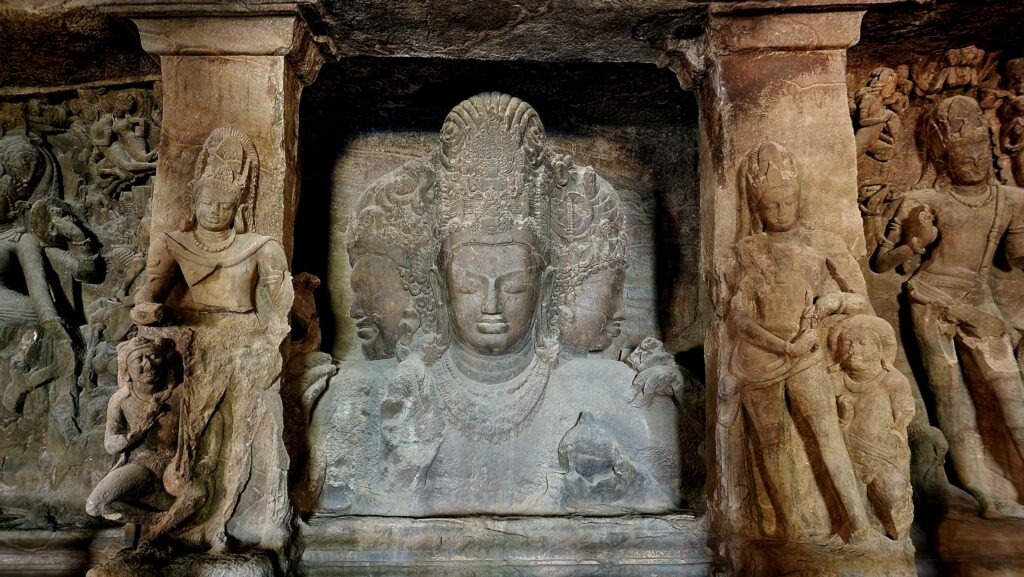
    Trimurti sculpture inside Elephanta Caves Mumbai during a cultural shore excursion
    Exploring the iconic Trimurti sculpture inside Elephanta Caves, one of Mumbai’s most celebrated cultural landmarks.

    What Awaits at Elephanta Caves

    Once you arrive at Elephanta Caves, the experience transforms from a simple boat journey into a walk through centuries of history, art, and spirituality.

    Recognized as a UNESCO World Heritage Site, these ancient rock-cut caves are a masterpiece of Indian craftsmanship, primarily dedicated to Lord Shiva. As you step inside, the cool, dimly lit interiors reveal intricately carved pillars, grand halls, and detailed sculptures that narrate stories from Hindu mythology and deep philosophical concepts.

    The highlight of the caves is the awe-inspiring Trimurti,a majestic 20-foot-tall sculpture depicting the three aspects of Shiva: the Creator, the Preserver, and the Destroyer. This iconic masterpiece stands as a symbol of balance and cosmic power, leaving every visitor mesmerized.

    As you explore further, each chamber unveils mythological scenes, divine figures, and artistic brilliance carved directly into the basalt rock, offering a glimpse into India’s rich cultural and spiritual heritage.


    Quick Quiz for Travelers

    Before your visit, test your knowledge.

    How old are the Elephanta Caves?

    A. 500 years
    B. 800 years
    C. Over 1300 years
    D. 2000 years

    Answer: C – The caves are over 1300 years old.


    Best Time to Take a Speedboat to Elephanta Caves

    The best time to visit Elephanta Island is between October and March when the weather is pleasant.

    Morning departures are ideal. Not only is the weather cooler, but the caves are also less crowded, allowing you to explore more comfortably.


    Travel Tips for First-Time Visitors

    Wear comfortable shoes as reaching the caves involves climbing steps. Carry water, especially during warmer months. Keep your camera ready because both the journey and the destination offer great photo opportunities.

    Most importantly, take your time inside the caves. The details reveal themselves slowly.


    Final Thoughts

    The growing popularity of the speedboat to Elephanta Caves is not surprising. It offers a faster, more comfortable, and far more enjoyable way to reach one of Mumbai’s most historic destinations.

    For travelers who value time, comfort, and experience, this option is quickly becoming the new standard.

    If you are planning your visit to Elephanta Island, the question is no longer whether to go. It is how you want to experience the journey.

  • Elephanta Caves Half-Day Premium Tour Guide

    Elephanta Caves Half-Day Premium Tour Guide

    The morning begins at the waterfront of Mumbai. The air feels fresh, and the Arabian Sea reflects the city’s skyline. Within minutes, you are stepping onto a sleek speedboat, leaving behind the busy streets and moving toward one of India’s most fascinating historical sites.

    Welcome to the Elephanta Caves half-day premium tour, a perfect blend of history, comfort, and efficiency.

    If you are visiting Mumbai for a short time or arriving on a cruise, this half-day experience is one of the best ways to explore a UNESCO World Heritage Site without spending your entire day in transit.


    What Makes an Elephanta Caves Half-Day Premium Tour Different?

    An Elephanta Caves half-day tour is designed for travelers who value time, comfort, and seamless logistics.

    Unlike traditional tours, which often take an entire day, a premium half-day experience focuses on:

    • faster travel by speedboat
    • curated guided exploration
    • minimal waiting time
    • smooth hotel or port transfers

    As a result, you can complete the entire experience in about 4 to 5 hours.


    Quick Travel Quiz

    Before we continue, here’s a quick question:

    How long do you think it takes to reach Elephanta Caves by speedboat?

    A. 20 minutes
    B. 60 minutes
    C. 90 minutes

    The correct answer is A — approximately 20 minutes.

    This is exactly why premium tours are becoming the preferred choice for international travelers.


    Where Are Elephanta Caves Located?

    Elephanta Caves are located on Elephanta Island, around 11 kilometers from Mumbai.

    Since the island is accessible only by water, every visitor must travel by boat from the Gateway of India.

    The key difference lies in how you travel.

    A ferry takes over an hour. A speedboat takes around 20 minutes.

    That time difference transforms your entire experience.


    Step-by-Step Elephanta Caves Half-Day Premium Tour Experience

    1. Hotel or Port Pickup

    Your journey begins with a comfortable pickup from your hotel or cruise terminal.

    Premium tours typically include:

    • air-conditioned private vehicle
    • professional chauffeur
    • punctual coordination

    This ensures your day starts smoothly without any stress.


    2. Transfer to Gateway of India

    You arrive at the Gateway of India, Mumbai’s iconic departure point.

    Instead of waiting in ferry queues, you proceed directly to your speedboat.

    This is where the premium experience truly begins.


    3. Speedboat Ride to Elephanta Island

    The speedboat ride is one of the highlights of the Elephanta Caves half-day tour.

    Within minutes, you glide past:

    • the Gateway of India
    • the Taj Mahal Palace Hotel
    • Mumbai Harbour skyline

    The journey is fast, smooth, and scenic.

    Unlike ferries, speedboats offer:

    • smaller groups
    • better seating
    • quicker transfers


    4. Arrival at Elephanta Island

    Upon arrival, a short walk leads you toward the cave complex.

    Along the way, you pass:

    • local souvenir stalls
    • shaded forest paths
    • panoramic viewpoints

    This part of the journey adds charm and cultural depth to your visit.


    5. Guided Exploration of Elephanta Caves

    Inside the caves, your guide brings history to life.

    The Elephanta Caves date back to the 6th century and are dedicated primarily to Lord Shiva.

    The most iconic sculpture you will see is the Trimurti.

    Did You Know?

    The Trimurti is a 20-foot sculpture representing three aspects of Shiva — creation, preservation, and destruction.

    Other highlights include:

    • intricately carved pillars
    • mythological panels
    • ancient rock-cut architecture

    A guided tour ensures you do not miss these details.


    6. Return by Speedboat

    After exploring the caves, you return to the jetty and board your speedboat.

    The return journey is equally enjoyable.

    Within 20 minutes, you are back in Mumbai.

    This efficiency is what makes the half-day premium tour so valuable.


    7. Drop Back to Hotel or Port

    Your driver meets you at the harbor and takes you back to your hotel or cruise terminal.

    The entire experience is completed comfortably within half a day.


    Why Choose a Premium Half-Day Tour?

    Many travelers ask:

    Is a half-day tour enough for Elephanta Caves?

    The answer is yes, especially when done right.

    A premium Elephanta Caves half-day tour ensures:

    • no unnecessary waiting
    • faster travel time
    • personalized experience
    • better comfort

    This is particularly important for:

    international tourists with limited time
    cruise passengers on shore excursions
    luxury travelers seeking curated experiences


    Time Comparison: Premium vs Standard Tour

    FeaturePremium Half-Day TourStandard Ferry Tour
    Travel Time One Way20 minutes60–90 minutes
    Total Duration4–5 hours6–8 hours
    Comfort LevelHighBasic
    FlexibilityHighFixed
    Crowd LevelLowHigh

    Clearly, the premium option saves both time and energy.


    Best Time to Take the Tour

    The ideal time for an Elephanta Caves half-day tour is in the morning.

    Morning departures offer:

    • cooler weather
    • better light for photography
    • fewer crowds

    Additionally, early tours ensure you return with plenty of time for other activities in Mumbai.


    Who Is This Tour Perfect For?

    An Elephanta Caves half-day premium tour is ideal for:

    • cruise travelers with limited port time
    • international visitors on tight schedules
    • luxury travelers looking for comfort
    • families and small private groups
    • travel advisors planning curated experiences

    This format fits perfectly into a larger Mumbai itinerary.


    Final Thoughts

    The Elephanta Caves half-day premium tour is not just about visiting a historical site.

    It is about experiencing Mumbai in a smarter and more efficient way.

    Instead of spending hours on slow ferries, you travel quickly, explore comfortably, and return without fatigue.

    For modern travelers, especially those visiting India for the first time, this is often the best way to experience Elephanta Caves.

  • Elephanta Caves Private Speedboat Tour – Complete Experience Guide

    Elephanta Caves Private Speedboat Tour – Complete Experience Guide

    Mumbai is a city that moves quickly. Streets buzz with energy, ferries move across the harbor, and history quietly lives between modern skyscrapers. Just a short distance away from this busy city lies a destination that feels completely different – Elephanta Island.

    Hidden in the Arabian Sea, the Elephanta Caves stand as one of India’s most remarkable archaeological treasures. Carved into solid basalt rock more than a thousand years ago, these temples showcase extraordinary craftsmanship and spiritual storytelling through sculpture.

    Today, one of the most memorable ways to reach this UNESCO World Heritage Site is through a private speedboat tour from the Gateway of India. The journey itself becomes part of the adventure.


    Why Choose an Elephanta Caves Private Speedboat Tour

    A traditional ferry ride to Elephanta Island can take nearly an hour and often involves waiting in long queues. A private speedboat tour to Elephanta Caves offers a faster, more comfortable, and more exclusive experience.

    Traveling by speedboat reduces travel time to around 20 minutes, giving visitors more time to explore the ancient caves and enjoy the island. The journey itself becomes part of the experience as the boat glides across the Arabian Sea with uninterrupted views of Mumbai’s historic waterfront.

    Many travelers prefer the speedboat option because it offers flexible departure times and avoids the crowded ferry lines.

    You can explore more curated Mumbai experiences here:
    https://seitours.in/mumbai-tours


    The Journey Begins at the Gateway of India

    Every Elephanta Caves speedboat tour begins at the iconic Gateway of India, one of Mumbai’s most recognizable landmarks. Built in 1924 during the British colonial era, this historic arch faces the Arabian Sea and serves as the departure point for many harbor journeys.

    As the speedboat pulls away from the harbor, the city’s perspective begins to change. The skyline gradually unfolds, revealing luxury hotels, historic buildings, and the impressive waterfront of South Mumbai.

    Unlike the traditional ferry, a private speedboat offers a faster and more comfortable ride. Within minutes, the noise of the city fades, replaced by the sound of waves and sea breeze.

    Travel time to Elephanta Island by speedboat is approximately 20 minutes, allowing visitors to spend more time exploring rather than waiting in queues.


    Approaching Elephanta Island

    As the island comes into view, lush green hills rise from the sea, hinting at the history hidden within them. Elephanta Island itself was once an important cultural and religious center.

    The Portuguese explorers who arrived here in the 16th century named the island after a massive stone elephant statue they discovered near the shore. Although the original sculpture now resides in Mumbai’s Jijamata Udyan museum, the name Elephanta continues to represent this historic site.

    After disembarking, visitors can either walk up the pathway toward the caves or take the small toy train that operates along part of the route. The path is lined with small shops selling souvenirs, handicrafts, and refreshments.


    Inside the Elephanta Caves

    The highlight of the island is the main cave temple, dedicated to Lord Shiva. Carved between the 5th and 8th centuries, these caves are considered masterpieces of Indian rock-cut architecture.

    Stepping inside the cave feels like entering a different era. Massive stone pillars support the structure, while intricately carved sculptures narrate stories from Hindu mythology.

    The most famous sculpture inside the cave is the Trimurti, a 20-foot-high depiction of Lord Shiva representing three aspects of existence: creation, preservation, and destruction. This iconic sculpture is often considered one of the finest pieces of ancient Indian art.

    A knowledgeable guide helps visitors understand the symbolism behind each sculpture. Scenes depicting Shiva as Nataraja, the cosmic dancer, and Ardhanarishvara, the fusion of masculine and feminine energy, reveal the philosophical depth behind the carvings.


    Did You Know

    Elephanta Caves are estimated to be more than 1,300 years old, and yet many of the carvings remain remarkably detailed despite centuries of weather and historical events.

    Iconic three faced Shiva sculpture carved inside Elephanta Caves UNESCO heritage site
    The iconic Trimurti sculpture inside the Elephanta Caves, representing the three aspects of Lord Shiva – Creator, Preserver, and Destroyer.

    Why Choose a Private Speedboat Tour

    Visiting Elephanta Caves by speedboat changes the entire experience. Instead of standing in long ferry queues and navigating crowded boats, travelers can enjoy a smooth and flexible journey.

    A private speedboat allows you to:

    Save travel time and reach the island faster
    Avoid heavy ferry crowds
    Enjoy panoramic views of the Mumbai harbor
    Travel comfortably with a smaller group
    Customize your schedule

    For many visitors, the speedboat ride itself becomes one of the most memorable parts of the tour.


    What Makes Elephanta Caves Special

    Elephanta is not just a sightseeing destination. It represents a remarkable chapter in India’s artistic and religious history.

    The caves demonstrate the extraordinary skill of ancient Indian sculptors who carved entire temples from solid rock. The sculptures are not only artistic expressions but also philosophical narratives that reflect the spiritual beliefs of their time.

    Today, the site stands as a reminder of India’s cultural heritage and architectural brilliance.


    Quick Travel Quiz

    Before you visit, test your knowledge.

    Which deity is the Elephanta Caves primarily dedicated to?

    A. Vishnu
    B. Shiva
    C. Brahma
    D. Buddha

    Answer: B. The caves are dedicated primarily to Lord Shiva.


    Best Time to Visit Elephanta Caves

    The ideal time to explore Elephanta Island is between October and March, when the weather in Mumbai is pleasant and comfortable for walking.

    Morning departures are often preferred because the caves are quieter and the lighting inside the temples is ideal for photography.


    Travel Tips for Visitors

    Wear comfortable walking shoes since reaching the caves involves climbing a series of steps. Carry water, especially during warmer months. Photography is allowed in most areas, but flash should be avoided to protect the ancient carvings.

    Most importantly, take your time inside the cave. The sculptures reveal their details slowly.


    Final Thoughts

    A visit to Elephanta Caves is not just a tour; it is a journey through time. The experience combines history, mythology, architecture, and the natural beauty of Mumbai’s harbor.

    When reached by private speedboat, the journey becomes even more memorable. The combination of scenic travel, cultural exploration, and ancient heritage creates a truly unique experience.

    For travelers looking to discover a different side of Mumbai, the Elephanta Caves private speedboat tour offers the perfect blend of adventure and history.

  • Elephanta Caves Speedboat Tour Cost Explained: Price, Inclusions & Travel Time

    Elephanta Caves Speedboat Tour Cost Explained: Price, Inclusions & Travel Time

    The first glimpse of Elephanta Island appears slowly on the horizon as the boat moves across the calm waters of Mumbai Harbour. Behind you stands the iconic Gateway of India and the historic Taj Mahal Palace Hotel. Ahead lies a UNESCO World Heritage Site that dates back more than 1,400 years.

    Elephanta Caves is one of the most fascinating historical attractions near Mumbai. However, the journey to reach the island is equally important. Traditionally, travelers used public ferries to visit Elephanta. Today, however, many visitors prefer a faster and more comfortable option.

    Speedboat transfers have become the modern way to reach Elephanta Island.

    Naturally, travelers often ask a simple question before booking their trip.

    What is the Elephanta Caves speedboat tour cost?

    Understanding the pricing, inclusions, and value of the speedboat experience helps travelers decide whether this option is right for them.


    Why Speedboats Are Becoming Popular

    Traditional ferries take between 60 and 90 minutes to reach Elephanta Island. They operate on fixed schedules and often carry large numbers of passengers. During busy travel seasons, ferry queues can also become long.

    Speedboats, on the other hand, offer a very different experience.

    A premium speedboat can reach Elephanta Island in approximately 20 minutes.

    As a result, visitors spend less time traveling and more time exploring the caves. For travelers with limited time in Mumbai, this advantage can make a significant difference.


    Travel Fact

    Distance from Mumbai to Elephanta Island: about 11 kilometers.

    Ferry travel time: 60–90 minutes.

    Speedboat travel time: about 20 minutes.

    This means the speedboat is currently the fastest way to reach Elephanta Caves from Mumbai.


    Elephanta Caves Speedboat Tour Cost

    The Elephanta Caves speedboat tour cost depends on several factors. These factors include the type of speedboat, the number of passengers, and whether the tour is private or shared.

    Below is a general pricing guide for speedboat experiences.

    Tour TypeEstimated CostBest For
    Shared Speedboat TourINR 10,000 – INR 12,000 per personCouples and small groups
    Private Speedboat TransferINR 35,000 – INR 45,000 per boatFamilies and private travelers
    Luxury Speedboat ExperienceINR 45,000 – INR 80,000 per boatLuxury travelers and VIP guests

    Prices may vary depending on the season, group size, and tour inclusions.


    What Is Usually Included in the Speedboat Tour Cost

    A premium Elephanta speedboat tour usually includes several services that improve the overall experience.

    Most speedboat tours include:

    Speedboat transfer from Mumbai to Elephanta Island
    Professional captain and trained crew
    Safety equipment and life jackets
    Bottled water or refreshments
    Flexible departure timings
    Scenic cruise across Mumbai Harbour

    Some premium tours may also include hotel transfers, private guides, or curated shore excursions.


    The Speedboat Experience

    Imagine departing from the historic waterfront near the Gateway of India. As the speedboat accelerates, the Mumbai skyline slowly fades behind you. The sea breeze becomes stronger while the boat glides across the Arabian Sea.

    Unlike crowded ferries, speedboats usually carry fewer passengers. Therefore, the experience feels more private and comfortable.

    During the journey, travelers often see several interesting sights:

    the Gateway of India from the sea
    the Mumbai harbour skyline
    naval ships and cargo vessels
    the green hills of Elephanta Island approaching

    Within about twenty minutes, the island becomes clearly visible.

    For many visitors, the journey itself becomes a memorable highlight.


    Interactive Quiz

    Consider this travel scenario.

    You have only one day in Mumbai.

    Would you prefer to:

    Option A
    Spend nearly three hours traveling on a ferry.

    Option B
    Reach Elephanta Island in twenty minutes by speedboat.

    Most travelers choose the faster and more comfortable option.


    Did You Know

    The Elephanta Caves received their name from Portuguese explorers in the 16th century. They discovered a large stone elephant statue near the island.

    Today, that statue is preserved at the Dr. Bhau Daji Lad Museum in Mumbai.


    Is the Speedboat Tour Worth the Cost

    When travelers compare ferry and speedboat experiences, the value of the speedboat becomes clear.

    Speedboats offer:

    much faster travel time
    greater comfort and privacy
    flexible departure schedules
    better photography opportunities
    more time to explore the caves

    Therefore, many international visitors consider the speedboat experience well worth the cost.


    Final Thoughts

    Elephanta Caves remain one of Mumbai’s most remarkable historical attractions. The journey across Mumbai Harbour is an essential part of visiting the island.

    Although ferries continue to provide a traditional way to reach Elephanta, speedboats offer a faster and more comfortable alternative.

    Understanding the Elephanta Caves speedboat tour cost helps travelers make an informed decision before planning their visit.

    For travelers who value time, comfort, and memorable experiences, a speedboat transfer is often the best way to reach Elephanta Island.

Select your currency
USD United States (US) dollar