By Shore Excursion India | Updated April 2026
It was a Tuesday morning when I watched a family of four – two exhausted parents, two antsy children, luggage tags from a Celebrity cruise still dangling from their daypacks stand at the Gateway of India and stare at the water with that particular expression that says: we planned this, and something has gone wrong.
They had come to visit the Elephanta Caves. They had researched. They had even downloaded a map.
What nobody had told them? The caves close every Monday. And that was the day they’d arrived.
It happens more than you’d think. The Elephanta Caves are one of Mumbai’s most remarkable treasures, a UNESCO World Heritage Site carved into basalt rock over 1,500 years ago, and yet the trip still catches people off guard, not because the experience disappoints, but because the logistics have a way of humbling even the most well-prepared traveler. So before you set foot near a jetty, before you book a single thing, read this. Consider it the briefing that should have existed a long time ago.
What Are the Elephanta Caves, and Why Do They Deserve a Whole Day?
Let’s start here, because the Elephanta Caves are frequently undersold.
Nestled on Elephanta Island- called Gharapuri by locals, meaning “the city of caves” this collection of rock-cut temples sits approximately 11 kilometres northeast of the Gateway of India, right in the heart of Mumbai Harbour. The main cave complex is dedicated primarily to Lord Shiva and houses some of the most extraordinary stone sculptures you will find anywhere in the world. The centrepiece, a 6-metre-tall Trimurti depicting Shiva’s three cosmic roles as Creator, Preserver and Destroyer, has the rare quality of stopping people mid-sentence.
These caves were not built. They were carved out of solid basalt, panel by panel, somewhere between the 5th and 8th centuries. Nobody knows with absolute certainty who commissioned them. That mystery is part of what makes standing inside them feel so strange and so profound.
When UNESCO designated the Elephanta Caves a World Heritage Site in 1987, they joined a list that includes the Taj Mahal, Machu Picchu and the Acropolis. That context matters, because it reframes what can otherwise feel like just another tourist boat trip.
This is not a boat trip. It is a pilgrimage to one of human civilization’s quietly astonishing achievements.
Elephanta Caves Timings: The Facts, Precisely
The caves are open from 9:00 AM to 5:30 PM, Tuesday through Sunday.
The caves are closed every Monday. No exceptions. If you arrive on a Monday expecting to visit, you will be turning around.
This closure applies to the main archaeological site managed by the Archaeological Survey of India. The island itself remains accessible, but the primary cave complex – the reason anyone makes this journey – is off-limits.
Additional closures to be aware of:
Major national public holidays such as Republic Day, Independence Day, and certain festival dates may result in adjusted hours or full closure.
The island’s last boat back to the mainland typically departs by around 5:00–5:30 PM, which means you want to arrive early enough to give yourself proper time inside without rushing the return.
The practical implication of the 9:00 AM opening is significant. If you board a speedboat at 9:00 AM from Gateway of India, you arrive at the island in approximately 20 minutes, placing you at the entrance just as the gates open. The difference between visiting at 9:20 AM and visiting at 11:30 AM is the difference between a calm, immersive experience and navigating through crowds.
Elephanta Caves Entry Fee in 2026
For Indian nationals: ₹40 per person
For foreign nationals: ₹600 per person
Children under 15: Free
These fees are collected at the site entrance on Elephanta Island and are separate from any boat or tour costs. The Archaeological Survey of India manages the ticketing, which means you pay at the gate rather than online in advance.
The entry fee covers access to the main cave complex, including the Great Cave (Cave 1), the Trimurti, and all associated sculptures and panels. The Buddhist caves on the eastern hill are accessible separately and are often overlooked.
The fee does not cover the toy train or carriage ride from the jetty, food or drinks, or guide services.
What Nobody Tells You: 5 Things That Catch Visitors Off Guard
- The Steps Are Not Optional
From the jetty to the cave entrance, there are around 100–120 steps. For most visitors, it’s a pleasant 15-minute walk. For senior travelers or those with mobility concerns, the toy train from the jetty to the base of the steps can be helpful, though it is not always available and must be paid for separately.
- There Is No ATM on the Island
The island operates almost entirely on cash. You will need money for entry tickets, the toy train, water, snacks, and small purchases. Carry small denominations.
- Monsoon Changes Everything
From June to August, the Arabian Sea can get rough. Ferry services are often affected, and even speedboats operate subject to weather conditions. Always confirm your departure if you are traveling during the monsoon season.
- The Buddhist Caves Are Almost Always Empty
Most visitors only explore the main Hindu cave complex. However, the eastern hill contains quieter Buddhist caves and ancient stupa remains that are often missed. These are worth exploring if you have time.
- Monday Is a Hard No – But Weekends Are Crowded
While the caves are closed on Mondays, Saturdays and Sundays tend to be extremely crowded. If possible, plan your visit on a weekday morning for a far better experience.
How You Get There Shapes the Entire Day
The public ferry from Gateway of India takes between 60 and 90 minutes each way. It is crowded, runs on fixed schedules, and often involves waiting time.
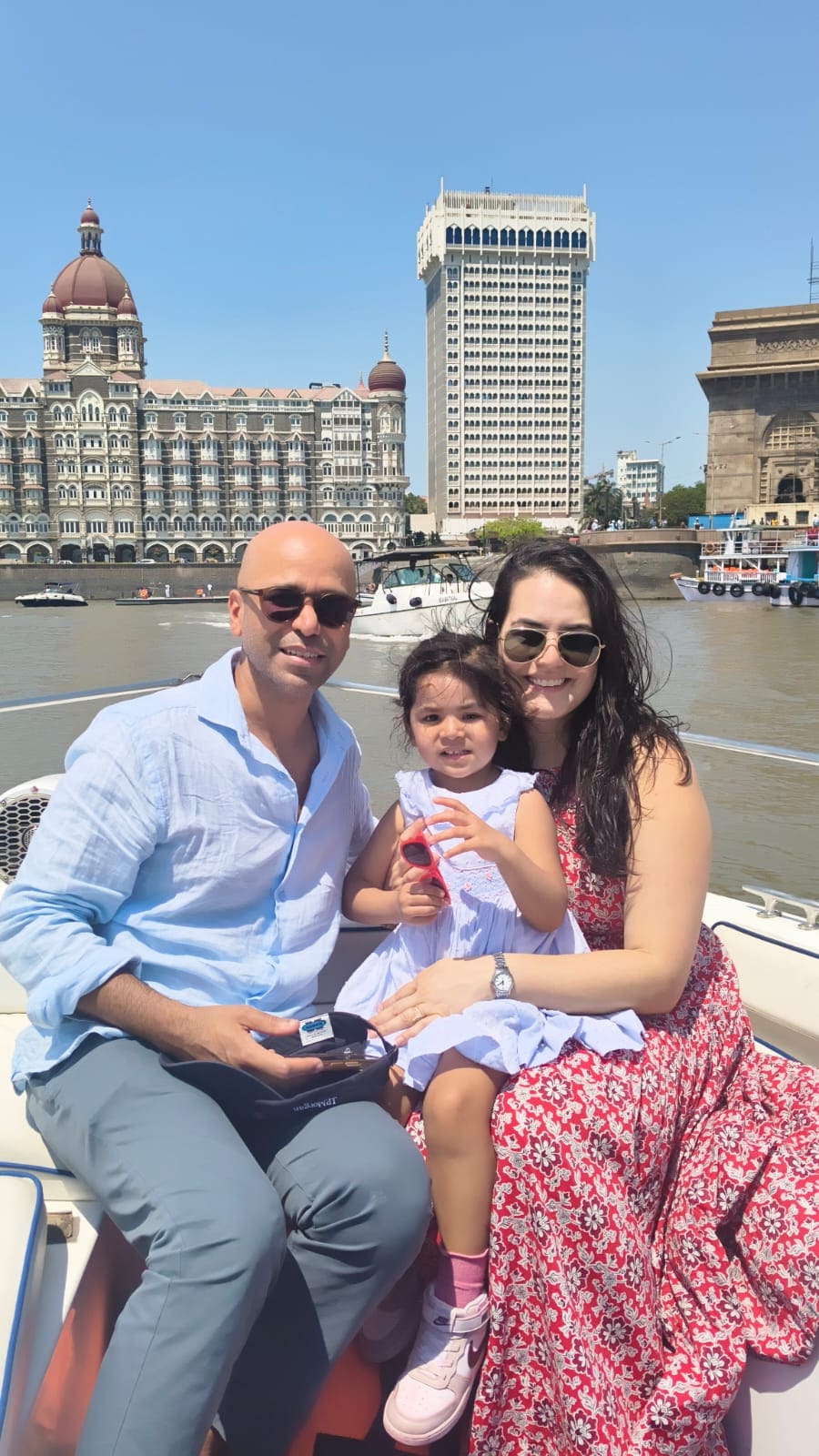
A speedboat takes just 20 minutes. It departs from a VIP jetty, avoids ferry queues, and allows you to reach early before crowds build up.
For cruise passengers or travelers with limited time, this difference is crucial. It can turn a rushed trip into a relaxed and meaningful experience.
Shore Excursion India operates licensed speedboats with trained crew, professional English-speaking guides, and flexible timings tailored to your schedule.
Before You Go: A Quick Checklist
Check the day – do not plan for Monday
Carry at least ₹1000 per person in cash
Start early – ideally around 9:00 AM
Wear comfortable closed-toe shoes
Plan to spend at least 2.5 to 3 hours on the island
Ready to Book?
The Elephanta Caves have stood for over 1,500 years. They are not going anywhere. But your time in Mumbai is limited.
Book your Elephanta Caves speedboat tour with Shore Excursion India:
https://www.shoreexcursiontoursindia.com/elephanta-caves-by-speedboat/
Small groups. Licensed guides. The fastest route across the harbour. And none of the Monday surprises.